10G 20TB Plex NAS Build
Build a high-performance media server with 10G networking, massive storage, and the flexibility of Unraid. Stream anything, anywhere, to anyone.
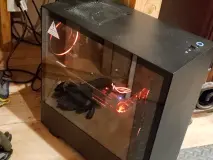
The Problem
You know the feeling. Scrolling through Netflix, Hulu, Disney+, Prime Video — endless content, nothing to watch. Five streaming services, three subscriptions you forgot to cancel, and somehow you’re still paying for rentals on movies you already own on DVD somewhere in a box.
I wanted something better. A media library where I choose what’s available. Where 4K HDR doesn’t buffer. Where my friends and family can watch my collection from their own homes.
So I built this.
What We’re Building
A media server that:
- Stores 20TB+ of content
- Streams 10G networking for local transfers
- Runs Plex, Jellyfin, and other services
- Runs on Unraid for flexibility
- Streams to remote users reliably
The Hardware
Parts Used
| Component | Model | Price |
|---|---|---|
| CPU | Intel i5-12400 | $180 |
| Motherboard | ASRock H670 Pro RS | $150 |
| RAM | 32GB DDR4-3200 | $100 |
| Boot Drive | 250GB NVMe SSD | $30 |
| Cache Drive | 1TB NVMe SSD | $80 |
| Storage (4x) | 8TB Seagate IronWolf | $600 |
| 10G NIC | Intel X540-T1 (used) | $80 |
| Case | Fractal Design Node 804 | $180 |
| PSU | Corsair RM650 | $90 |
| Total | $1,490 | |
* Prices are approximate at time of purchase. Links may include affiliate commissions.
Customize Your Build
* Prices are approximate and may vary. Links may include affiliate commissions.
Why These Choices?
The Intel i5-12400 has excellent QuickSync support for hardware transcoding. Plex can transcode multiple 4K streams without breaking a sweat, and power consumption is reasonable at idle.
I went with Unraid over TrueNAS because you can mix and match drive sizes, run Docker containers easily, set up VPN for remote access with one click, and the community support is incredible.
The Intel X540-T1 is a tank. Used enterprise gear on eBay is the way to go here. New 10G gear is expensive; used enterprise gear is practically free.
The Build Process
Step 1: Case Setup
The Node 804 is perfect for NAS builds. It’s cube-shaped with separate compartments for the motherboard and drives. The drive side holds 8x 3.5” drives with room to spare.
Step 2: Storage Configuration
With Unraid, we don’t need RAID. Instead:
- 1x parity drive (8TB)
- 3x data drives (24TB total)
- 1x cache pool (1TB NVMe)
If a drive dies, parity protects you. But if multiple drives fail or you delete something by accident, you’re out of luck. Always have off-site backups for important data.
Step 3: Networking
The 10G NIC connects directly to my Mikrotik CRS305 switch. Local transfers hit 500+ MB/s — an entire 4K movie in seconds.
Performance
Local Performance
| Metric | Result |
|---|---|
| Sequential Read | 1.2 GB/s |
| Sequential Write | 800 MB/s |
| Plex Direct Play | 4K HDR, no issues |
| Plex Transcode | 5+ simultaneous streams |
Remote Performance
Through Tailscale VPN, remote users get 20-40 Mbps streams. Enough for 1080p everywhere, 4K on good connections.
Services Running
The beauty of Unraid is Docker support. Currently running:
- Plex — Main media server
- Jellyfin — Backup/emergency streaming
- Sonarr/Radarr — Media management
- Prowlarr — Indexer aggregation
- Tailscale — VPN for remote access
- Home Assistant — Smart home hub
- Various other containers — Backup, monitoring, etc.
Power Consumption
At idle: ~45W Under load: ~120W
For a server running 24/7, that’s reasonable. The i5-12400 is surprisingly efficient at idle.
Lessons Learned
Buy more drives than you think you need. I’m already at 70% capacity and considering expansion. Storage has a way of filling up faster than you expect.
Cache drives matter. The NVMe cache makes a huge difference for Docker performance and downloads. Don’t skip it.
Don’t skimp on the NIC. The Intel X540 might be old, but it’s rock solid. Cheap consumer 10G gear is often unreliable.
Test your backups. I thought I had a backup strategy until I actually tried to restore. Now I test monthly. A backup you haven’t tested isn’t a backup.
Future Upgrades
- More storage — The Node 804 has room for 8 drives. I’m using 4.
- GPU for transcoding — If I ever need more simultaneous 4K transcodes
- RAM upgrade — 32GB is fine for now, but Unraid can use more for cache
Conclusion
This NAS has been running for two years without major issues. It streams to my TV, my phone, my friends’ houses. It backs up my data. It runs my smart home.
If you’re tired of juggling streaming subscriptions and want full control over your media, build one. The upfront cost is real, but the freedom is worth it.
Questions? Hit me up on the contact page or check out the YouTube channel for the full build walkthrough.

If you liked this, check out...
Homelab Server Rack Build
One rack to rule them all. A 25U server rack housing the Dell R620, switches, PDUs, and all the networking gear needed for a serious homelab.
Budget Proxmox Homelab Build (2024)
Build a powerful virtualization server for under $500. Run Plex, Home Assistant, Docker, and more with Proxmox VE on budget-friendly hardware.
Comments
Powered by GitHub Discussions