TV's Hero Problem: Why A Knight of the Seven Kingdoms Is the Reset We Needed
After two decades of antiheroes, television is finally remembering what a real hero looks like. Ser Duncan the Tall brings something we've been missing.
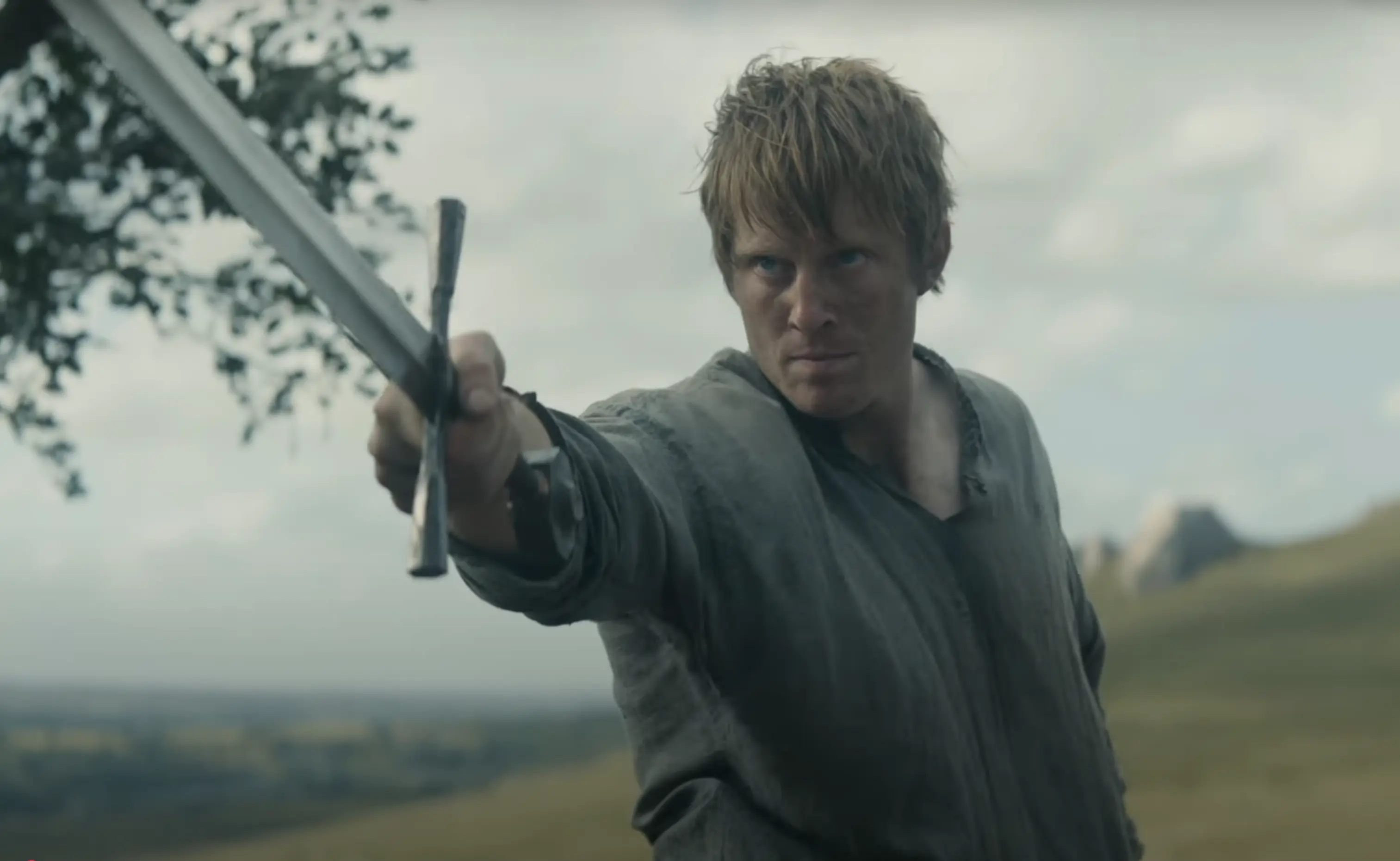
Remember when heroes were actually… heroic?
It’s been a while. For nearly two decades, prestige television has served us a steady diet of morally compromised protagonists. Mob bosses. Drug kingpins. Serial killers. Ruthless politicians. We learned to root for the bad guy, to find the “good” in characters who did terrible things, to embrace moral ambiguity as the hallmark of sophisticated storytelling.
And look—it was good. The Sopranos and Breaking Bad and Mad Men earned their acclaim. They pushed the medium forward. But somewhere along the way, we forgot that moral clarity isn’t the same thing as naivety. That a character who simply tries to do the right thing isn’t boring—they can be the most compelling person on screen.
Enter Ser Duncan the Tall.
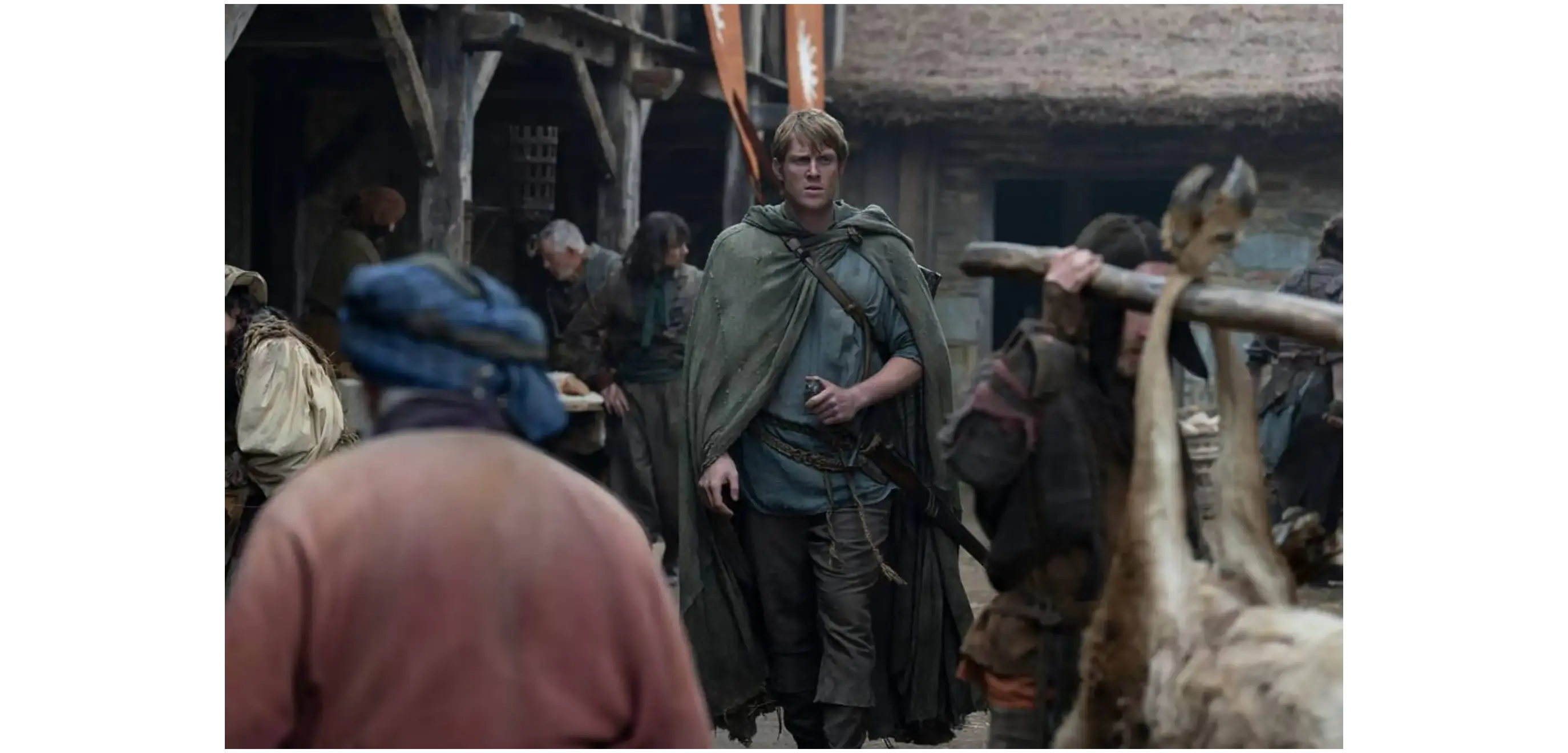
A Different Kind of Westeros
A Knight of the Seven Kingdoms, HBO’s latest venture into George R.R. Martin’s fantasy universe, arrived quietly in January 2026. No dragons burning cities. No armies clashing for the Iron Throne. No prophecies about saving the world from ice zombies.
Just a hedge knight and his squire, wandering through a tournament.
The show, based on Martin’s Tales of Dunk and Egg novellas, represents something radical in today’s television landscape: it commits to earnestness. It believes that a character who tries to live by a code—honor, kindness, protecting the weak—can carry a story without needing to be secretly villainous or morally compromised.
Critics noticed. The Rotten Tomatoes critics consensus called it “a welcome return to Westeros that works better in the buddy-comedy arena rather than solely slaying its competition.” More tellingly, The Nightly’s Wenlei Ma described it as “a refreshing reset, leaning into the traditions of chivalric tales, as if these characters had walked out of King Arthur’s world.”
That’s not a bug. That’s the whole point.
Quick context: A hedge knight is a wandering knight without a noble house or lands—the lowest rung of knighthood in Westeros. They live tournament to tournament, meal to meal. Ser Duncan is one of these, making his journey fundamentally different from the highborn protagonists of Game of Thrones.
Who Is Ser Duncan the Tall?
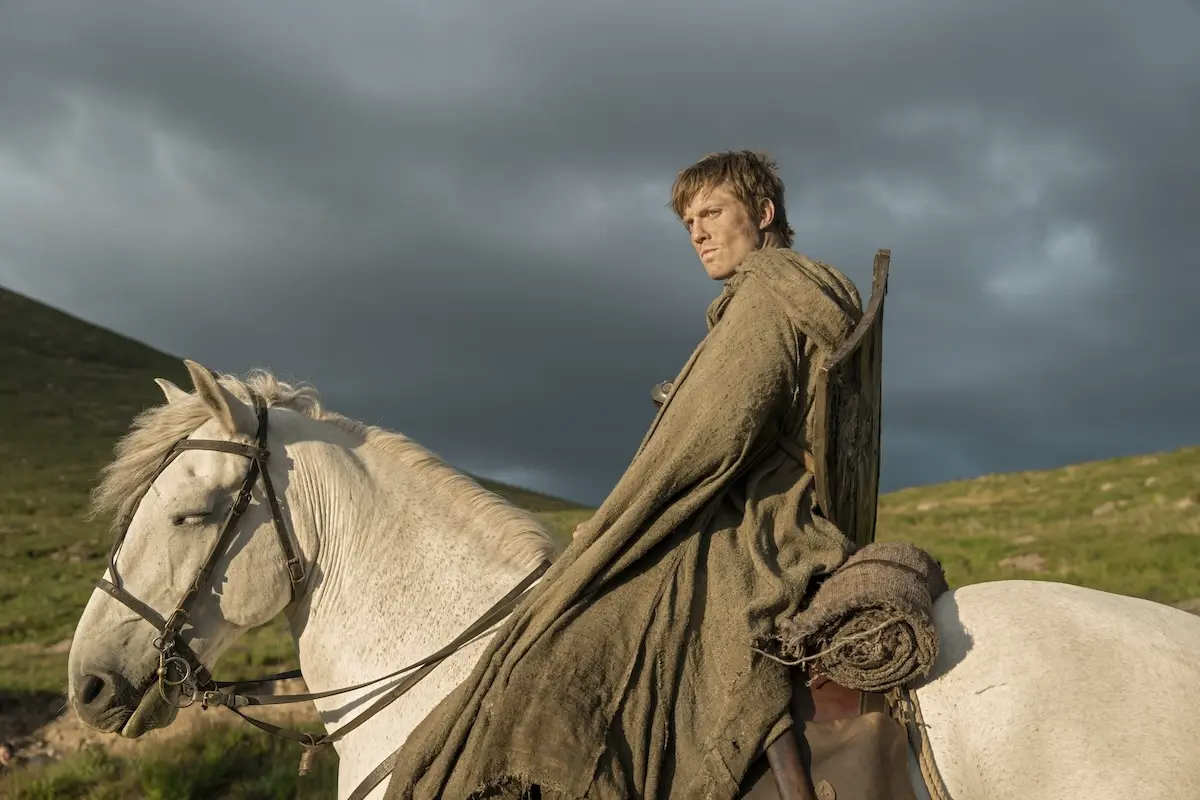
Dunk—played with understated charm by Peter Claffey—is a nobody. Raised in the slums of Flea Bottom in King’s Landing, he has no noble lineage, no wealth, no armies. He inherited his knighthood from Ser Arlan of Pennytree, an old knight who took him in as a boy. When Arlan dies, Dunk straps on his sponsor’s too-small armor and sets out to make his way in the world.
He’s not secretly a prince. He’s not the chosen one. He’s not destined for greatness.
He’s just… a guy trying to do right.
And that’s exactly what makes him compelling.
Dunk embodies chivalry not as a birthright but as a daily choice. He keeps his word even when it costs him. He defends the weak regardless of their station. He’s nearly seven feet tall—a physical giant—but would rather avoid violence than seek it. His size contrasts with his gentle nature.
This is old-school heroism. The kind that feels almost nostalgic after years of watching protagonists justify terrible deeds for “the greater good.”
The buddy dynamic: Dunk travels with Egg (Dexter Ansell), a young boy who is secretly Prince Aegon Targaryen— destined to become King Aegon V. Their relationship forms the heart of the show: a hedge knight mentoring a prince in disguise. The chemistry has been universally praised as “endearing” and the show’s greatest strength.
The Antihero Era (Or: How We Got Here)
To understand why Dunk matters, we have to look at where television has been.
The “Golden Age of Television”—roughly 1999 to 2020—was defined by morally ambiguous protagonists. The Sopranos gave us a mob boss in therapy. Breaking Bad made us sympathize with a drug lord. Dexter asked us to root for a serial killer. House of Cards showed politics through the eyes of a manipulative sociopath.
Game of Thrones extended this tradition into fantasy. Virtually every “good” character made terrible choices. Daenerys burned cities. Jon killed his lover. Tyrion became a pragmatic schemer. The show’s philosophy was clear: in a brutal world, good people die and survivors play the game.
This was exciting. It felt grown-up. It rejected the simplistic good-versus-evil storytelling of earlier eras.
But twenty years is a long time to eat the same meal.
The fatigue is real: By the late 2010s, critics and audiences began expressing exhaustion with the antihero template. Every “difficult man” felt less groundbreaking than the last. The Game of Thrones finale backlash wasn’t just about execution—it represented a rejection of subversion for subversion’s sake.
The Same World, Different Story
Here’s what’s fascinating: A Knight of the Seven Kingdoms exists in the same universe as Game of Thrones. The politics, the houses, the history—it’s all there. But where Game of Thrones asked “what happens when good people must do bad things to survive?”, this show asks something simpler:
“What happens when someone just tries to be good?”
The contrast is striking:
| Game of Thrones | A Knight of the Seven Kingdoms |
|---|---|
| Wars for the Iron Throne | A knight’s personal journey |
| Constant moral ambiguity | Clear moral compass |
| Political maneuvering | Character-driven adventure |
| Death as shock value | Investment in survival |
| ”Playing the game” | Living by a code |
| Grimdark tone | Chivalric romance |
Both approaches are valid. But we’ve had one almost exclusively for two decades. The other feels like discovering a forgotten room in a house you thought you knew.
The stakes are lower—and that’s precisely the point. As Amber Dowling wrote in The Globe and Mail, “By creating a more humane world in a landscape that feels increasingly unmanageable, a story that insists on small acts of goodness is almost radical.”
Why This Works Now
The timing isn’t accidental.
Between political turmoil, a global pandemic, economic uncertainty, and climate anxiety, audiences are exhausted. Not naive—we know the world is complicated. But there’s a difference between acknowledging complexity and drowning in it.
Sometimes you want to watch a character who faces a moral choice and makes the right one. Not because it’s politically advantageous. Not because it serves a long-term scheme. But because it’s right.
Dunk offers exactly that. He’s vulnerable. He struggles. He’s not the strongest, smartest, or richest person in any room. He loses fights and makes mistakes. But he keeps trying.
That’s not boring. That’s human.
The numbers back it up: Per Variety, A Knight of the Seven Kingdoms is averaging close to 13 million U.S. viewers per episode—on pace to be the third biggest series debut in HBO Max history. Audiences are showing up for this.
The Egg Factor
We can’t talk about this show without Egg.
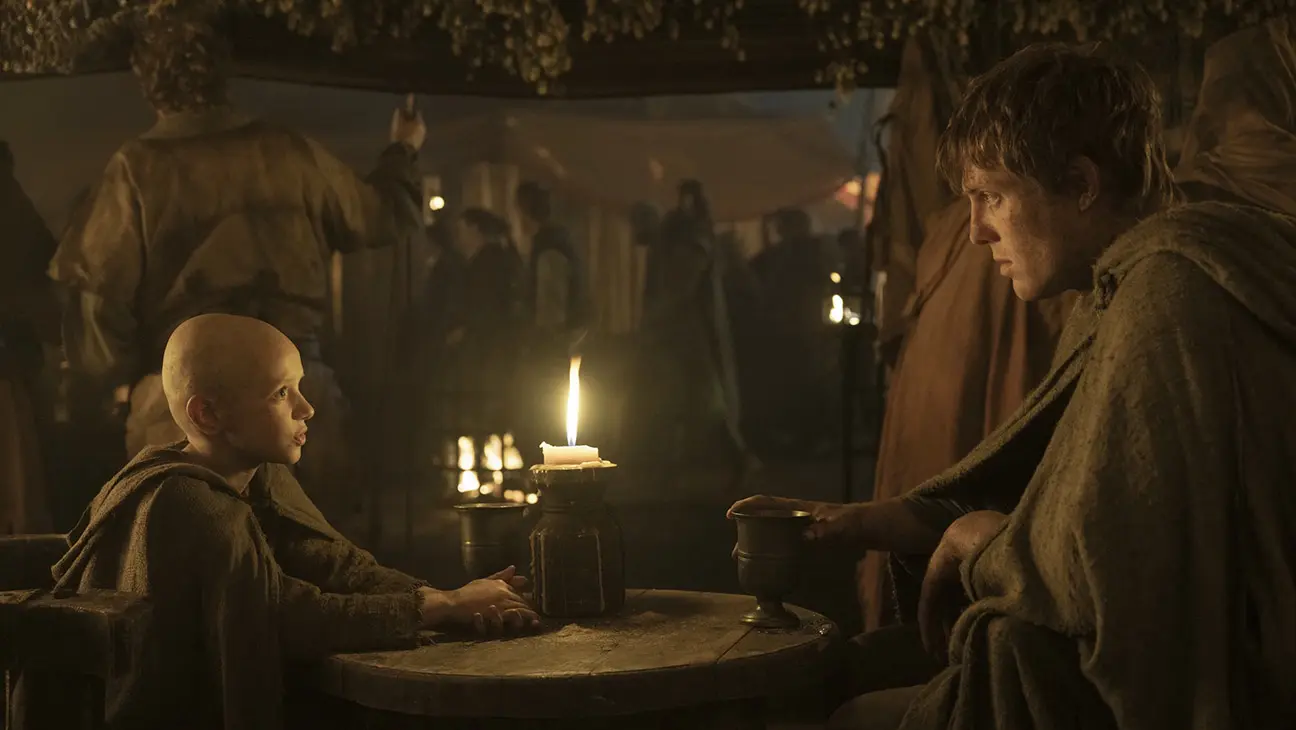
The young squire—secretly Prince Aegon Targaryen—provides both comic relief and genuine heart. The relationship between Dunk and Egg is mentorship without ego. Here’s this hedge knight, barely scraping by, teaching a future king about honor and humility from his position of nothing.
Their buddy dynamic gives the show a warmth that Game of Thrones never attempted. As one Rotten Tomatoes audience reviewer put it: “No agendas, no trans drama, just a pure story that pulls you straight into its world.”
The episodes run around 30 minutes—short by modern standards—and critics initially questioned the runtime. But it fits the material. These are intimate adventures, not sweeping epics. The format respects the novellas and keeps the focus tight on Dunk and Egg’s relationship.
The Source Material Advantage
George R.R. Martin wrote the Dunk and Egg stories as a deliberate departure from the main Song of Ice and Fire series. Where those novels are dense, political, and often brutal, the novellas are lighter—adventure stories with a classic feel.
This gave HBO something rare: a Westeros story that doesn’t need to maintain grimdark intensity. The show can be what it wants to be—a chivalric romance with an unlikely friendship at its center.
The historical significance is there for fans who want it. Egg becomes King Aegon V. Dunk eventually serves as Lord Commander of the Kingsguard. Their adventures ripple through Westerosi history. But you don’t need to know any of that to enjoy the show.
What Heroism Looks Like in 2026
I want to be clear: this isn’t an argument against morally complex characters. Television is better for having grown beyond simple black-and-white storytelling.
But complexity isn’t the only kind of sophistication. Sometimes the bravest thing a show can do is commit to kindness.
A Knight of the Seven Kingdoms arrives at a moment when audiences are hungry for heroes who aren’t secretly villains. Characters who choose right because it’s right. Stories where small acts of goodness matter.
It’s a return to something we lost along the way—not naivety, but hope. Not simplicity, but clarity.
Ser Duncan the Tall isn’t the hero we expected from Westeros. He might be exactly the one we needed.
Season 1 of A Knight of the Seven Kingdoms is now streaming on HBO Max, with all six episodes available. A second season has been confirmed.

Comments
Powered by GitHub Discussions